















Types of Genres
Written by Administrator

Types of Genres our Children Learn about at School.


You may have heard the word genre before or have seen it written somewhere or you may even remember it from your school days.


A definition of genre is a style of text or written language where each piece has a purpose (what are we writing for) and an audience (who are we writing for).


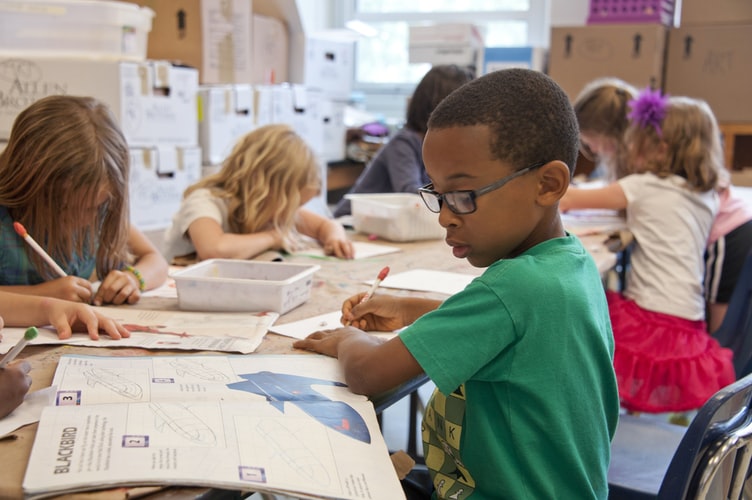
You child at school will learn to write in many different genres during their years at school.


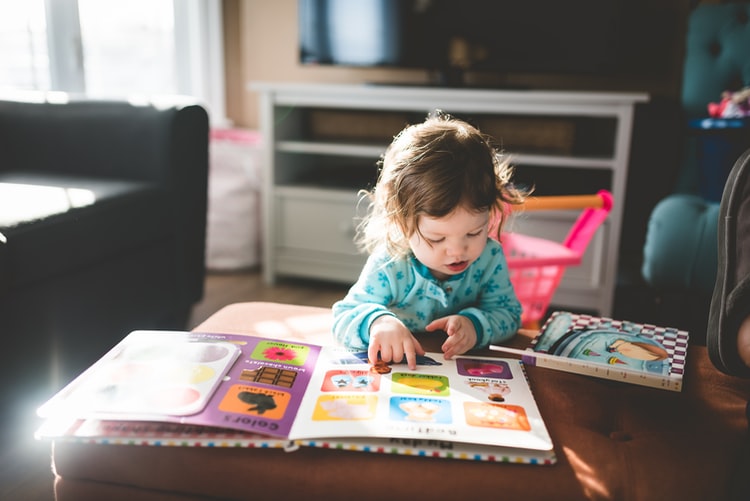
Even in the early years of schooling, when writing is at beginner level, children will learn to understand different genres and write simple ones. Young children are introduced to many different genre types through a variety of books and reading materials read to them in class.

Within the units of work at school, teachers will often focus on a particular genre and with this teaching, teachers use a particular style to teach genres. I will give you an example of teaching a procedural text to younger children.


  1. They begin with building knowledge. They choose a text, for example a recipe, to use as an example of instructions and teach from it. The teacher will ask questions of the children about what they know about recipes - what do they tell us, what do we need to write a recipe, how would we go about writing a recipe?


  2. Model a written procedure -: the teacher will show the children a number of different recipes and show the children how to write recipes by creating a recipe of their own. Here the teacher will focus on the important features of a procedure.


  3. Joint Construction of a recipe -: this means that basically the teacher and children will write a recipe together. As a class they will talk about the structure and what needs to be included.


  4. Independent construction of a recipe -: here the children need to write their own recipe from all they have learnt.


This process is carried out over several weeks or a whole term, this teaches the steps for what the children write and how they go about it. The teacher will show students many examples, keep their joint and modelled examples around, as well as teaching about the topic the children will write their own piece about.


That is how teachers teach genre to our children, but what are the genre types our children will learn to write?


Here I will give a brief description of some of the more common genres and what our children learn to write them for.


There are two types of genres - Literary type and Non Literary type genres.

Literary Type Genres - are written to entertain
Non-Literary Type Genres - are written to inform


Literary Type Genres:


Personal Recount: a personal recount is basically a retelling or recounting of events that have happened. Children often will write a recount after a special event or day, like what they did on Australia Day; after an excursion or field trip; or after their holidays. The basic outline of a recount includes -:
  • Orientation: when and where it happened and who was there
  • Sequence of Events: tells about what happened in the order they happened
  • Ending: tells how the experience ended and gives a personal opinion of events
In a personal recount there is the use of verbs, describing events and sentence joining words like after, then, next and that.

small recount.jpg

Narratives: a narrative is basically a story told based on true events or the imagination. The outline or structure of a narrative includes -:
  • Orientation - beginning of the story, introduces who the main characters are and sets the scene, describing where and when the story takes place.
  • Complication/Problem - something goes wrong or a problem arises. As in most stories you read, there is something that happens to one of the main characters. Here our children write information building up to and describing this problem or complication.
  • Resolution - problem or complication is solved. This can be a good or bad resolution. In my teaching practice, I found boys love to include a bad resolution - blood and guts usually - BOys will be Boys! The resolution also includes the ending of the story - tying up of loose ends.

small narrative.jpg

There are a number of narrative styles and as children get older this can develop to include short stories, mysteries, adventures, plays and fairy tales.


Poetry: Poetry can include rhyming verse, ballads, songs, haiku etc.


Non Literary Type Genres These can be broken down into transactional, procedural, report and expository type genres.


Transactional: these include greetings, invitations, apologies, introductions, vote of thanks, telephone conversations, personal letters and advertisements.


Procedural: include instructions, lists, recipes, science experiments and rules for games.

small procedure.jpg

Directions: these can be written or spoken. Directions need to include:
  • Goal: where you want to go
  • Steps: the steps needed to get to your goal


Instructions: Instructions are used to make or do something. Instructions include recipes and science experiments and includes the following structure:
  • Goal: what you want to achieve
  • Materials/Ingredients: list what you will need to achieve your goal
  • Steps: sequence the steps needed.
Instructions often include many action verbs and are written in present tense.


Report: includes information reports, book reports, descriptions and news reports.

Information Reports: Information reports at school are mainly written to give information about either animals, plants or places. The structure needed in an information report includes -
  • Title - what you are writing about
  • Introduction - give a description or definition about the topic
  • Body - this can be broken down into categories - each having a sub-heading
  • Illustrations, photos and diagrams - to help describe the topic
  • Conclusion
  • Glossary - can include a list of words that are particular to the topic and may need defining.
Information reports are written from the early levels of school. Of course here children are only expected to write one or two sentences per categories. But our children are shown how to research, where to find information and how to write it up.

small info report.jpg small technical report.jpg

Expository: type genres include explanations and display advertisements.

small exposition.jpg

Explanations: are written to explain how and why things are. The basic structure for an explanation includes:
  • Title - a how or why statement or question
  • A Basic Statement - a basic definition about the title topic
  • Explanation - explains in logical steps the statement or question process as in the title.

small explanation.jpg

These are just some of the genre types taught in schools.


To see what the types of genres our children learn and when, you can look at the scope and sequence of your state curriculum authority or ask your child's school or classroom teacher.


Please subscribe to our monthly newsletter, KLIF Hanger! It contains new articles, new product releases and updates on the new information added to our site.